
Qara Saj is an old Turkmen woman who is well-known for her skills in weaving traditional Turkmen carpets. Qara Saj is also singing work songs as she works on her carpets.Work songs are an important part of Turkmen culture and are used to accompany a variety of daily tasks, including

Jew’s harp (The Zamburak or Gopuz) The zamburak, known among Turkmen communities as the gopuz, is a small instrument with a distinctive sound and a long history across different musical cultures. In Turkmen life, however, its significance cannot be understood through its physical construction and musical characteristics alone. Its place

Ay Mohammad Moghimi: Master Luthier and Musician from the Turkmen Regions of Iran Ay Mohammad Moghimi is a renowned craftsman and musician, specializing in the Dutar and kamancheh, crafted in the Turkmen tradition. Residing in the village of Gadamabad near Gonbad-e Kavus in northeastern Iran, he has spent the past
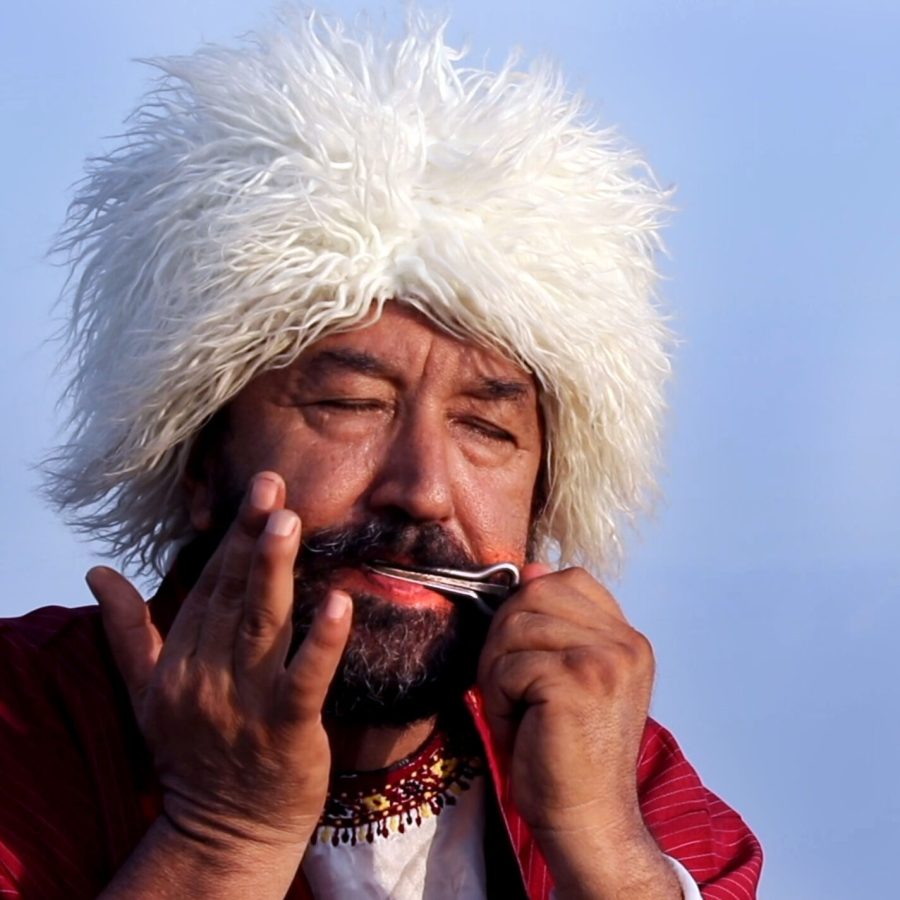
Haji Mohammad Iri, known as Mokhi Jan, is a singer, musician, and director from Bandar Torkaman in the Golestan province of Iran. . . Now in his sixties, he is considered an integral part of the intangible cultural heritage of the Turkmen people in northeastern Iran. Mokhi Jan is a

Mohamadreza Eshaghi: is one of the most important masters of regional music from northeastern Mazandaran, Iran. He is a player of the Mazandaran Dotar, a singer, poet, and composer. He was born in November 1947 in Gorji Mahalleh, near Behshahr, Mazandaran, in northern Iran. Mohammadreza learned to play the Dotar

Hosein Ali Ramezani (Kadkhoda) is a performer of traditional ritualistic dance in Mazandaran. In the lush landscapes of Mazandaran, a province nestled along Iran’s northern coastline, dance serves as a vibrant expression of cultural identity and communal heritage. Among the myriad traditional performances, the “Chakeh Sema” stands out for its
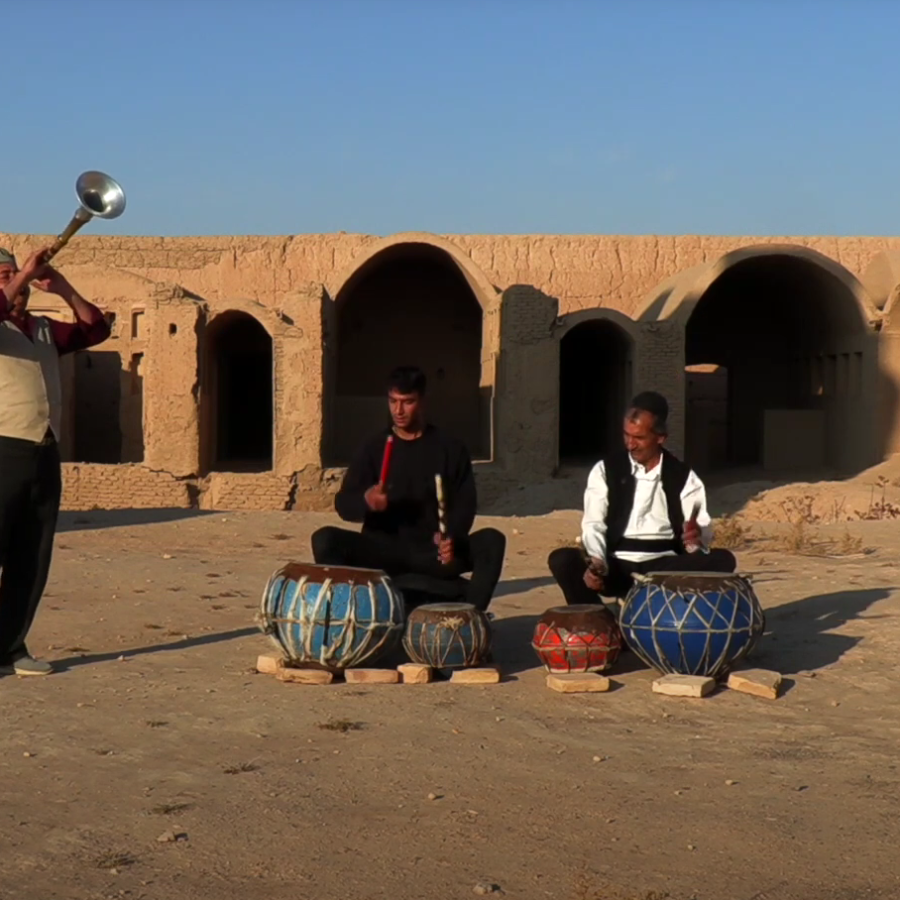
Sohrab Fallah and Gholamhosein Jamshidi are skilled musicians and performers who specialize in playing the Karnā and Naqqāra, traditional musical instruments of the Abarkuh region in Iran. NaqqÄra: A Sonic Emblem of Sacred and Martial Rhythms The NaqqÄra (نقاره), a pair of small kettledrums struck with bent sticks, holds a

Alireza Hojjati is a renowned Zorkhane Morshed (master) from Yazd province in Iran. He is known for his expertise in playing the Zarb-e Zorkhane, a traditional Iranian percussion instrument used in the ancient Persian martial art of Zurkhaneh. He has honed his skills through years of training and dedication, and

The lotī of Hormozgan trace their spiritual and genealogical lineage to ancient itinerant communities who, some fifteen centuries ago, journeyed westward from the Indian subcontinent across Persia and onward into Europe—communities historically known as Roma, Dom, or Lom. In the Persian Gulf littoral, these performers became known locally as lotī:

khaloo Sadegh Master Maki Dehghani, commonly known as ‘Khalo Sadegh,’ stands as one of the most renowned Kalam (ney-e jofti) players in Hormozgan province. Born and raised in the city of Minab, he continues to call it his home. His style of play is distinctive, characterized by his ability to

Ahmad Obaydi is a highly respected Babazaar of Zar ceremonies in Bandar Lange, Iran. He is also a skilled musician who specializes in playing the ancient Persian instrument, the Tanbireh. piala dunia

Bandargah’s Ta’ZIEH Bandargah and Bushehr are the only places where women perform in Ta’ZIEH. There are so many female characters in the numerous stories that are played in the form of TA’ZIEH. These female characters are played by men with soft voices wearing long black dresses and covered faces under

Zolfaghar Gharibi is known for his expertise in playing the Ney-e Jofti, one of the most important instruments used in the festive traditions of Southern Iran. This instrument is made from the hollow stem of a plant – mainly with cane – and produces a unique and haunting sound.One of

Keramat Ghanbari A SHARVEH singer. SHARVEH is a singing form of music, especially in the provinces of Bushehr, Hormozgan, and the southern regions of Fars, which are also called SHAHRI. Shrove, as a plain song, is a sad song based on the Plains. Couplet poems are used for this song.

Haridwar, situated in the foothills of the Himalayas, is one of the holiest cities in Hinduism. It is believed that taking a dip in the sacred River Ganges at Haridwar cleanses one’s sins and leads to spiritual purification. The city hosts the world-famous Kumbh Mela, a grand Hindu pilgrimage and
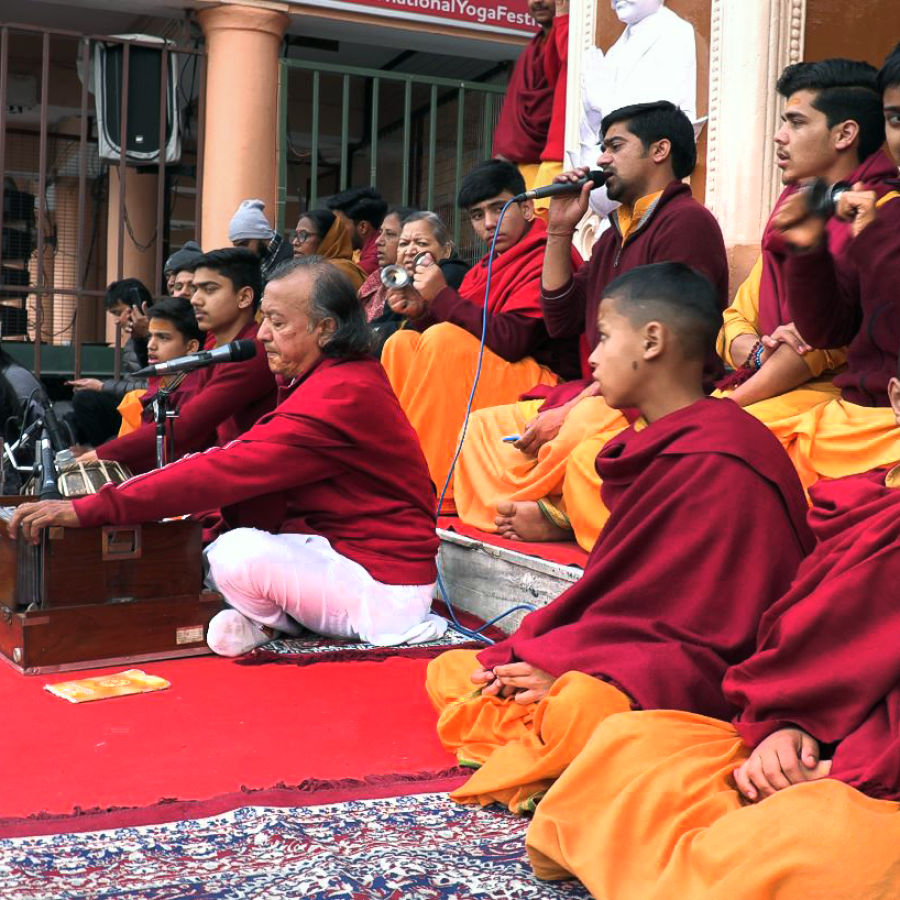
Nestled in the lap of the Himalayas, Rishikesh is a serene and spiritual town often referred to as the “Yoga Capital of the World.” This picturesque destination is renowned for its ashrams, where seekers of spiritual wisdom and enlightenment flock to learn and practice yoga, meditation, and other ancient Hindu
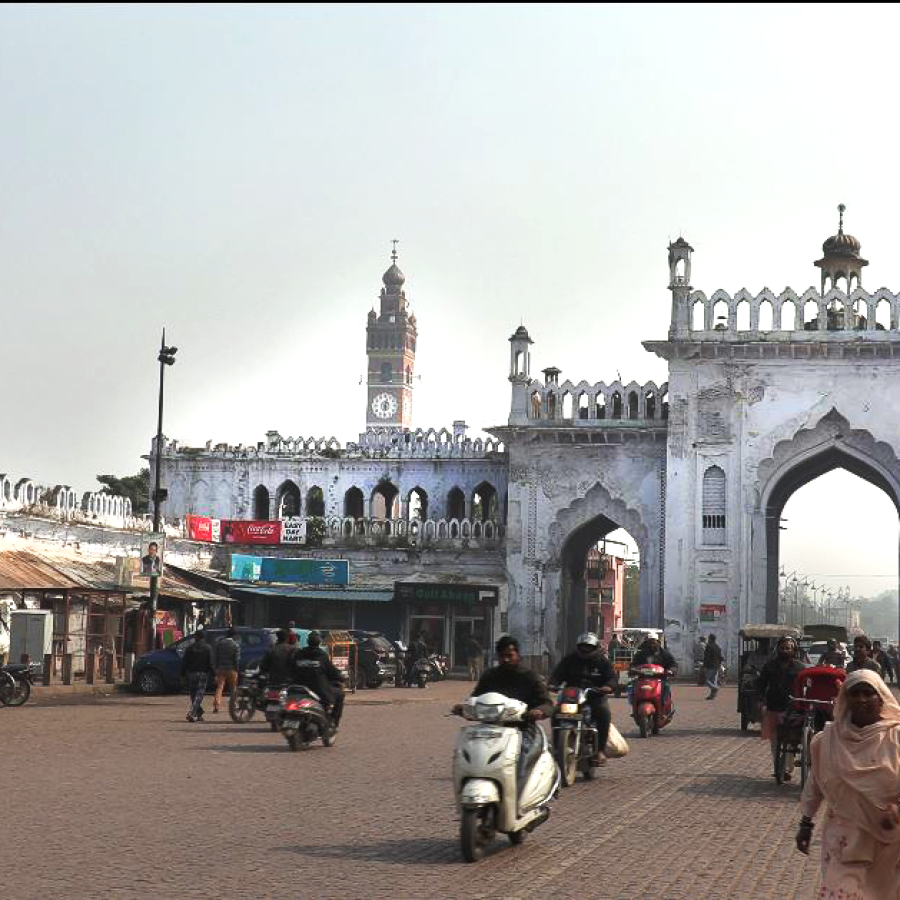
Lucknow, the capital city of Uttar Pradesh, is renowned for its rich cultural heritage and architectural splendors. While predominantly known for its Islamic-influenced architecture, Lucknow also has several significant Hindu temples that showcase the religious diversity of the region. Temples like the Mankameshwar Mandir and the Hanuman Setu Temple are

Varanasi, one of the oldest continuously inhabited cities in the world, holds immense significance in Hinduism. Situated on the banks of the holy River Ganges, Varanasi is considered a sacred site for Hindus and a place of ultimate spiritual liberation. The city is dotted with numerous ancient temples, including the

Khajuraho, located in the state of Madhya Pradesh, is renowned for its ancient temples adorned with intricate and explicit sculptures. These temples, built between the 9th and 11th centuries, depict various aspects of Hindu mythology, including gods, goddesses, and celestial beings. The temples of Khajuraho serve as a testament to


